Cornrow & Feed-In Braids
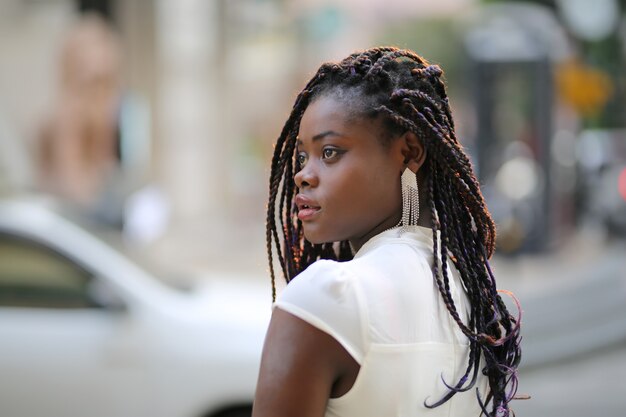
Cornrow & Feed-In Braids in New York City
Create a polished, protective look with professionally installed cornrow and feed-in braids from Makoula African Hair Braiding. Our experienced braiders provide clean parting, secure braiding, and customized patterns for clients throughout New York City.
Whether you prefer traditional straight-back cornrows, detailed braided designs, or natural-looking feed-in braids with added length, we can create a style that complements your hair, features, and personal preferences.
Professional Cornrow and Feed-In Braiding
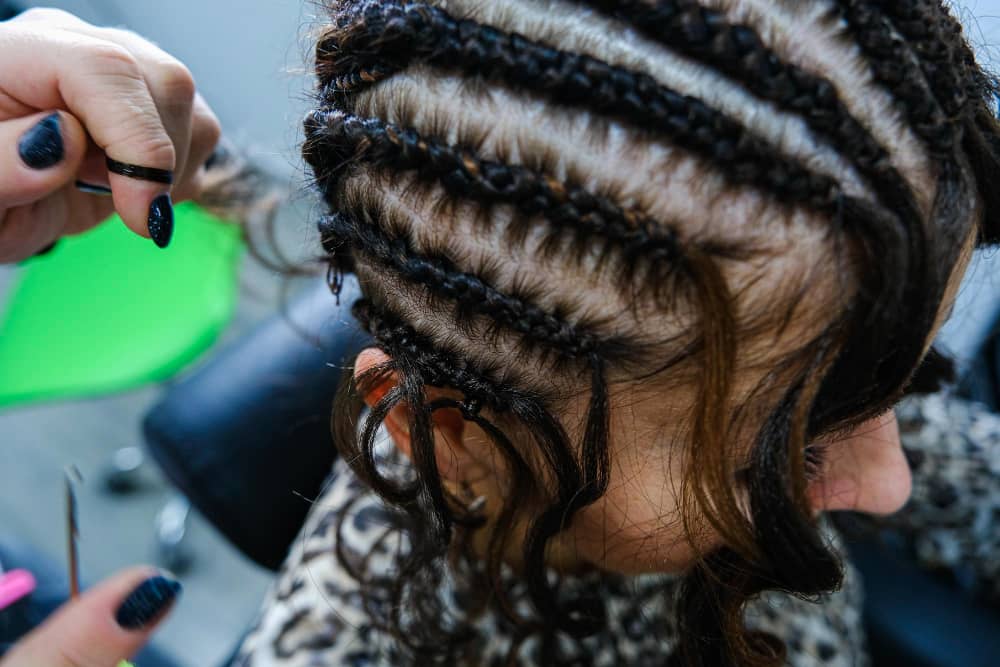
Cornrows are created by braiding the hair close to the scalp in straight, curved, or decorative patterns. They can be worn as a complete hairstyle, used as the foundation for extensions or wigs, or combined with individual braids and other protective styles.
Feed-in braids use a gradual extension-adding technique. Small amounts of braiding hair are incorporated as the braid progresses, helping create a smoother transition from the natural hair to the extension hair. The result is a neat, tapered braid that can look lighter and more natural at the roots.
At Makoula African Hair Braiding, every appointment begins with careful sectioning and a style plan based on your desired braid size, pattern, length, and overall finish.
Benefits of Cornrow and Feed-In Braids
Cornrows and feed-in braids remain popular because they combine practical hair protection with extensive styling flexibility.
Low-Maintenance Styling
Once installed, cornrows reduce the need for daily detangling and styling. A simple nighttime routine can help keep the braids neat between appointments.
Versatile Designs
Cornrows can be styled in straight lines, curves, side parts, ponytails, buns, and creative geometric patterns.
Protective Hair Management
A properly installed cornrow style keeps the hair organized and can reduce frequent manipulation. Protective styling should still allow the scalp to feel comfortable and should not place excessive tension on the hairline.
Added Length and Volume
Feed-in techniques allow extension hair to be introduced gradually, making it possible to create longer or fuller braids while maintaining a tapered appearance at the roots.
Suitable for Different Occasions
Cornrows can be worn as an everyday style or customized for vacations, celebrations, professional settings, photoshoots, and special events.
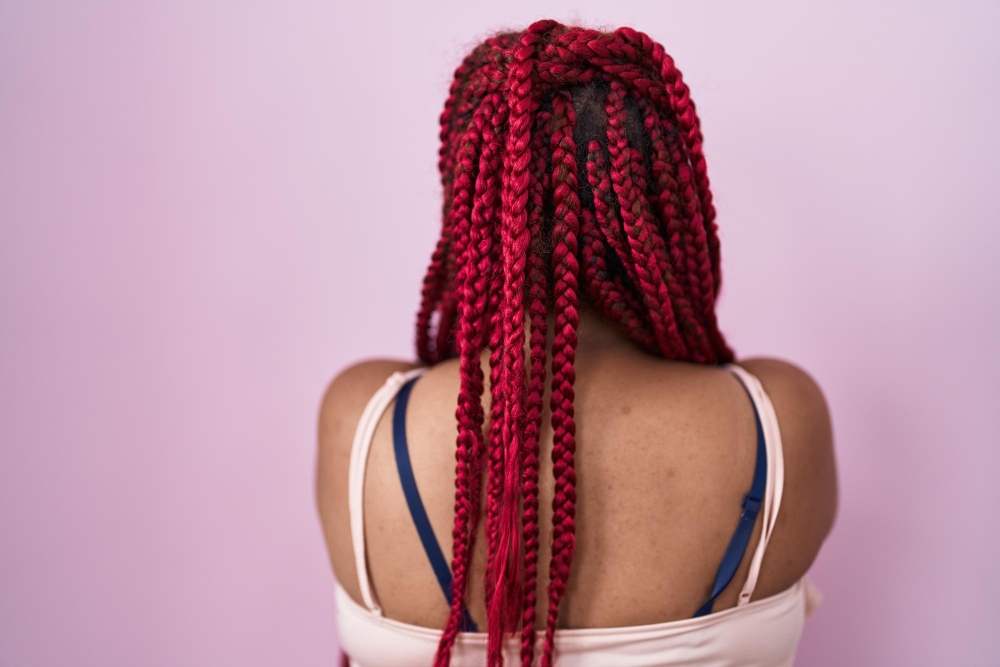
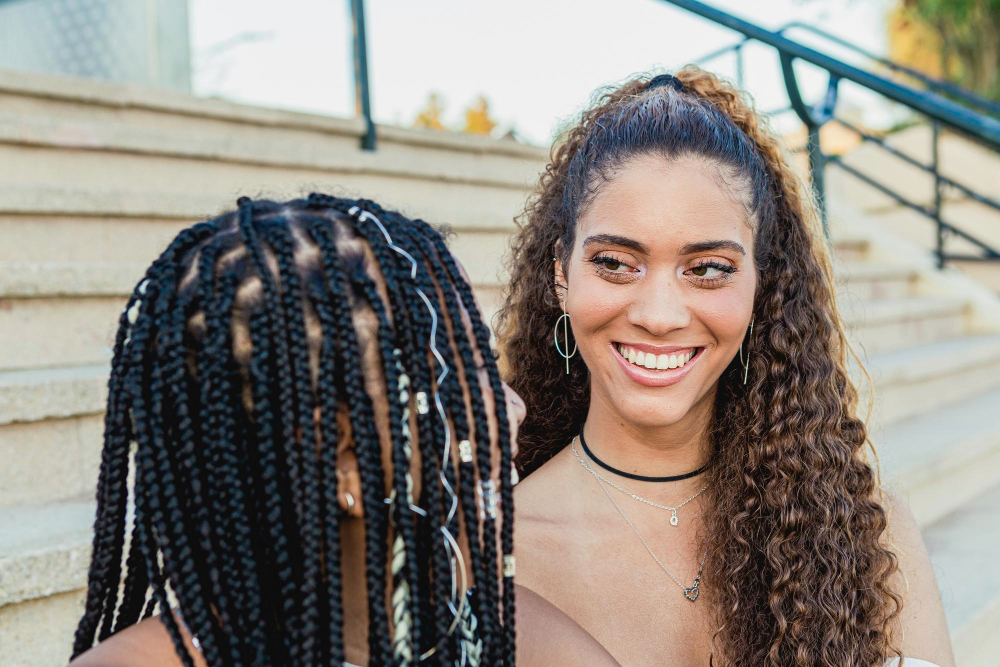
Cornrow Styles We Offer
Our cornrow and feed-in braid services can be customized in many ways, including:
- Straight-back cornrows
- Feed-in cornrows
- Two feed-in braids
- Four, six, or eight feed-in braids
- Small and medium feed-in braids
- Side-part cornrows
- Curved and geometric braid patterns
- Ponytail feed-in braids
- Cornrow updos
- Cornrows with individual braids
- Cornrows with curls
- Tribal-inspired braided designs
- Stitch-style feed-in braids
- Cornrows for natural hair
- Cornrows worn beneath wigs or extensions
The final design will depend on your natural hair length, density, scalp condition, requested pattern, and whether extension hair is being added.
Book Cornrow and Feed-In Braids in New York City
Refresh your look with clean, customized cornrows or natural-looking feed-in braids from Makoula African Hair Braiding.
Call today to discuss your preferred design and appointment availability.
Our Cornrow Braiding Process
Cornrows and feed-in braids remain popular because they combine practical hair protection with extensive styling flexibility.
1. Style Consultation
We review your preferred design, braid size, length, parting pattern, and whether you would like extension hair added.
2. Hair and Scalp Assessment
Your braider checks the hairline, natural hair length, density, and scalp condition to determine whether adjustments are needed.
3. Sectioning and Parting
The hair is divided into clean, balanced sections that follow the selected pattern.
4. Braiding and Extension Placement
Each braid is installed carefully. For feed-in styles, extension hair is added gradually to create the requested length and thickness.
5. Finishing
The braids are checked for consistency, loose strands are addressed, and the finished style is prepared for wear.
How Long Do Cornrow and Feed-In Braids Take?
Cornrows are especially useful for managing natural hair because they keep the strands sectioned and secured. They can be worn without added hair for a simple natural style or combined with extensions for additional length, volume, and design options.
Before braiding, the hair should be clean, detangled, and free from excessive product buildup. Proper preparation helps the braider create smoother sections and a more consistent finished appearance.
Hair that is very short, fragile, recently chemically treated, or experiencing breakage may require a modified style. Our braiders can assess the hair before beginning and recommend an appropriate braid size or pattern.
Feed-In Braids With Extensions
Feed-in braids are commonly created with synthetic braiding hair. The extension hair is added in small sections to help the braid transition smoothly from the natural root into the desired thickness.
You may choose:
- Natural-looking braid colors
- Highlighted or blended shades
- Long or medium-length braids
- Small, medium, or large braid sizes
- Straight or curved designs
- Simple or detailed parting patterns
Hair length, braid count, thickness, and pattern complexity can affect the time required to complete the service.
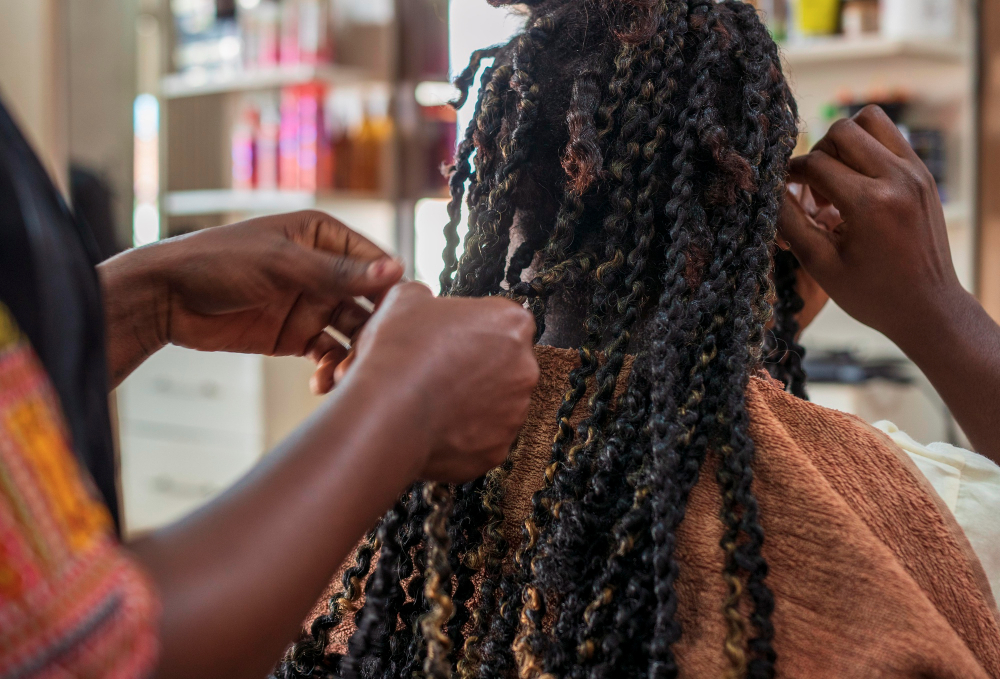
Benefits of Cornrow and Feed-In Braids
Cornrows and feed-in braids remain popular because they combine practical hair protection with extensive styling flexibility.
Low-Maintenance Styling
Once installed, cornrows reduce the need for daily detangling and styling. A simple nighttime routine can help keep the braids neat between appointments.
Versatile Designs
Cornrows can be styled in straight lines, curves, side parts, ponytails, buns, and creative geometric patterns.
Protective Hair Management
A properly installed cornrow style keeps the hair organized and can reduce frequent manipulation. Protective styling should still allow the scalp to feel comfortable and should not place excessive tension on the hairline.
Added Length and Volume
Feed-in techniques allow extension hair to be introduced gradually, making it possible to create longer or fuller braids while maintaining a tapered appearance at the roots.
Suitable for Different Occasions
Cornrows can be worn as an everyday style or customized for vacations, celebrations, professional settings, photoshoots, and special events.
How Long Do Cornrow and Feed-In Braids Take?
Appointment time varies depending on the number of braids, braid size, hair length, pattern complexity, and whether extensions are included.
A simple two-braid or four-braid feed-in style will generally take less time than a full head of small cornrows or an intricate geometric design. When booking, describe or provide a reference image of the style you want so the salon can better assess the service.
How Long Do Cornrows Last?
The lifespan of cornrows depends on the braid size, installation, hair texture, activity level, scalp care, and maintenance routine.
Larger feed-in braids are generally worn for a shorter period than smaller cornrows. To maintain a neat appearance, protect the braids at night, avoid excessive pulling, and keep the scalp clean without oversaturating the hair.
Cornrows should not be kept in longer than is comfortable or appropriate for the condition of the hair and scalp.
Comfortable, Hair-Conscious Braiding
Protective styles should look polished without causing unnecessary discomfort. We take braid placement, section size, hairline sensitivity, and overall tension into consideration during the installation.
Please tell your braider before or during the service if your scalp feels uncomfortable. Communicating early allows the style to be adjusted when possible.

How to Maintain Cornrow and Feed-In Braids
Follow these care practices to help preserve your style:
- Cover the braids at night with a satin or silk scarf
- Use a satin pillowcase for added protection
- Apply lightweight scalp products sparingly
- Avoid heavy oils and thick product buildup
- Clean the scalp gently when needed
- Pat the braids dry after moisture exposure
- Avoid repeatedly pulling the braids into tight styles
- Do not scratch the scalp with sharp objects
- Schedule removal if the style becomes loose or uncomfortable
Contact the salon if you experience persistent tightness, pain, bumps, or unusual scalp irritation.
Comfortable, Hair-Conscious Braiding
Protective styles should look polished without causing unnecessary discomfort. We take braid placement, section size, hairline sensitivity, and overall tension into consideration during the installation.
Please tell your braider before or during the service if your scalp feels uncomfortable. Communicating early allows the style to be adjusted when possible.
Cornrow and Feed-In Braids in NYC
Makoula African Hair Braiding serves clients across New York City, including clients looking for professional braiding services in and around Harlem.
Cornrows and feed-in braids are convenient for busy schedules, travel, seasonal styling, and anyone seeking a structured protective hairstyle with minimal daily maintenance.
To discuss your desired style, call:
Traditional Cornrows vs. Feed-In Braids
Traditional cornrows are braided directly from the natural hair or may use extension hair added near the beginning of the braid. They are versatile and can be installed in simple or detailed patterns.
Feed-in braids are created by gradually adding extension hair throughout the braiding process. This technique produces a more tapered appearance at the hairline and allows the braid to become progressively thicker.
Both styles can be attractive protective options. The right choice depends on the look you want, the amount of added length or volume you prefer, and how you plan to wear the style.
Cornrow and Feed-In Braids for Different Hair Types
Cornrow styles can work for many hair textures, but the technique and preparation may vary. Natural texture, hair density, length, previous treatments, and breakage can affect the recommended braid size and pattern.
Clients with fine edges, thinning areas, or sensitive scalps may benefit from larger sections, fewer braids, or a lower-tension design. A consultation helps determine a suitable approach.
Why Choose Makoula African Hair Braiding?
Clients choose Makoula African Hair Braiding for detailed, personalized braiding services in New York City.
Our salon focuses on:
- Clean and carefully planned parting
- Custom braid patterns
- Traditional and modern braiding techniques
- Protective styles for different hair types
- Personalized braid size and length
- Professional service from experienced braiders
- Natural-looking feed-in techniques
- Attention to hairline and scalp comfort
We understand that every client has different hair, styling goals, and maintenance preferences. Our goal is to create a braid style that fits your desired look and daily routine.
Frequently Asked Questions
Feed-in braids are a type of cornrow technique. Extension hair is gradually added to the braid to create length and thickness while maintaining a tapered appearance near the root.
Yes. Cornrows can be created entirely with natural hair, provided there is enough length for the requested style.
Feed-in braids should feel secure but should not cause significant pain. Scalp sensitivity varies, so tell your braider immediately if the braids feel excessively tight.
Arriving with clean, detangled hair is generally recommended unless the salon has provided different preparation instructions. Confirm appointment requirements when booking.
Cornrows may be possible on shorter hair, depending on the length, texture, density, and selected pattern. A braider may need to assess the hair before confirming the style.
The number depends on your preferred look. Two or four braids create a bold, simple style, while six or more braids offer additional detail and coverage.
Yes. Feed-in braids can be directed into high ponytails, low ponytails, buns, and updos when the braid pattern is planned for that finish.
Wrap the braids with a satin or silk scarf or bonnet. A satin pillowcase can provide additional protection against friction.
Yes. A reference image can help communicate the braid pattern, size, length, and finish you prefer. The final result may be adapted to suit your natural hair and scalp.